Municipal wastewater collection systems face ongoing pressures from aging infrastructure, climate‑driven weather extremes, and increasing regulatory oversight. Among the most persistent issues are inflow and infiltration (I&I) and Sanitary Sewer Overflows (SSOs) problems that demand continuous attention from operators, maintenance crews, and engineering staff.
Addressing these challenges requires not only long‑term capital planning but also strong day‑to‑day field practices. Routine inspection, debris management, and reliable access to collection system assets form the backbone of operational resilience. This article outlines the key factors driving I&I and SSO conditions and highlights the practical tools and tasks operators rely on to manage them effectively.
What is Inflow and Infiltration?
Inflow and Infiltration describe unintended sources of water that enter a municipal sanitary sewer collection system and increase flows beyond what the system was designed to manage. Inflow refers to the direct and rapid entry of surface water into the sewer system, most often during rainfall or snowmelt events. This typically occurs through improper connections such as roof downspouts, sump pumps, and yard drains, or through openings in manholes located in low‑lying areas. Because inflow enters the system quickly, it often causes sharp, short‑term spikes in sewer flow during storms.
Infiltration, by contrast, occurs when groundwater slowly seeps into the sewer system through structural defects in pipes and manholes. Cracked or deteriorated pipes, leaking joints, and deteriorated manhole walls allow groundwater to enter, especially when groundwater levels are high. Unlike inflow, infiltration tends to be continuous or gradually increases over time rather than occurring in sudden bursts.
Once excessive I&I enters the network, operators face higher pumping volumes, increased energy use, and unpredictable system behavior during wet-weather events.
Common sources of I&I include:
- Cracked or deteriorated sewer mains due to age, soil movement, or root intrusion
- Leaking joints in vitrified clay, RCP, or older PVC installations
- Defective or unsealed manholes allowing surface runoff or groundwater treatment
- Illicit or outdated connections such as sump pumps or roof drains tied to sanitary lines
- High groundwater tables pushing water into weakened points in the system
Understanding Surcharging and Sanitary Sewer Overflows
Sanitary sewer overflows (SSOs) occur when wastewater escapes the collection system, either at a manhole, cleanout, or pump station, often during peak flows or localized blockages. The consequences range from property damage to environmental contamination and regulatory violations.
Operators most frequently encounter SSOs linked to:
- Debris accumulations (wipes, rags, sediment, fats/oils/grease)
- Root intrusion restricting pipe capacity
- Partial collapses or structural defects in older mains
- Wet-weather surcharging driven by high I&I volumes
- Mechanical failure at lift stations or flow control structures
Field response involves both clearing the immediate obstruction and determining whether upstream or downstream conditions contributed to the event.
Routine Maintenance Practices That Reduce Operational Risk
Municipal crews depend on a broad set of tools to maintain system function, restore flow capacity, and evaluate infrastructure condition. While some tasks involve specialized equipment, many rely on fundamental tools that support daily operations.
1. Manhole Access and Inspection
Reliable manhole tools allow crews to safely open, inspect, and assess structure condition. Routine inspections help identify:
- Structural degradation (corrosion, brick displacement, infiltration points)
- Blockages or surcharging evidence
- Sediment accumulation
- Debris entering through inflow sources
These observations support system mapping, CCTV inspection planning, and prioritizing rehabilitation work.
2. Debris Management and Removal
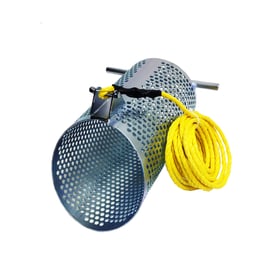 Debris buildup is one of the main contributors to localized SSOs. Tools such as debris baskets and catchers, handi clams, grabbers, and sewer spoons enable operators to remove solids, sediment, grit, and rags that obstruct flow without large equipment mobilization.
Regular debris removal is particularly important near:
- Invert drops
- Low‑velocity segments
- Dead‑end lines
- Pump station influent channels
3. Inspection and Diagnostic Monitoring
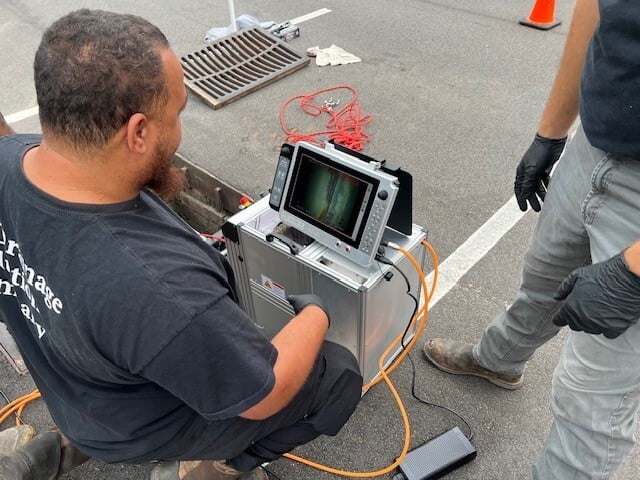
A proactive approach to I&I and structural assessment requires consistent data gathering through portable inspection devices, open channel flow monitoring sensors, temporary level or velocity meters, and acoustic inspection tools
These tools support:
- I&I quantification studies
- SSO root‑cause analysis
- Identification of surcharging zones
- Verification of hydraulic capacity
- Planning of CCTV or rehab projects
4. Hydraulic Cleaning and Jetting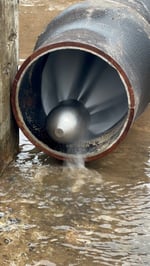
Jetting remains one of the most effective ways to remove internal pipe obstructions, restore conveyance, and reduce the risk of wet-weather backups. Jetting equipment helps address:
- Grease and FOG buildup
- Root intrusion before severe displacement occurs
- Accumulated sediment in flat-grade lines
- Debris introduced from upstream manholes
Routine cleaning also provides operators with opportunities to observe unusual flow patterns or signs of infiltration.
Challenges Operators Face in the Field
Operators and maintenance crews work within an increasingly complex environment shaped by operational demands, environmental conditions, and safety requirements. Many systems rely on aging infrastructure that require continuous monitoring and reactive repairs, often with limited visibility into underground assets until failures or performance issues emerge. These challenges are intensified by staffing shortages, which can prolong response times and extend maintenance cycles.
External factors further complicate operations. Seasonal weather patterns—such as freeze-thaw cycles, elevated groundwater levels, and storm surges—place additional stress on systems already operating near capacity. At the same time, increased solids loading from modern consumer products and non-dispersible materials accelerates wear and raises the likelihood of blockages. Overlaying all of this is growing regulatory pressure, which demands detailed documentation, accurate flow data, and thorough incident reporting, adding administrative burden to already stretched teams.
Despite these challenges, operators continue to deliver essential services that protect public health and the environment—often with minimal recognition and substantial physical demands.
Help Your Team Stay Prepared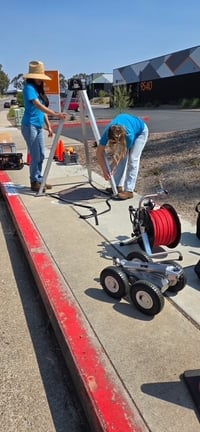
Inflow and infiltration and sanitary sewer overflows represent ongoing, system‑wide challenges that require both long‑term infrastructure planning and day‑to‑day operational vigilance. While major rehabilitation projects address structural issues, the foundation of system reliability lies in routine fieldwork: inspecting manholes, removing debris, monitoring flows, and responding quickly to developing conditions.
The tools operators use, from basic grabbers to advanced flow meters, play a practical and necessary role in understanding system behavior and preventing failures. When combined with experienced field judgment, these tools help municipalities maintain a stable, resilient wastewater collection system under increasingly complex conditions.
For operators looking to strengthen their day‑to‑day field capabilities, Core & Main continues to support municipal and contractor teams with tools and equipment designed specifically for collection system work. Our focus is on providing reliable, practical solutions that help crews manage I&I, reduce SSO risk, and maintain system performance.
When you need dependable tools for inspection, debris removal, access, or monitoring, we’re here as a resource to help you stay prepared for the challenges in the field. Learn more at supply.coreandmain.com or contact our team at 888-885-2673.